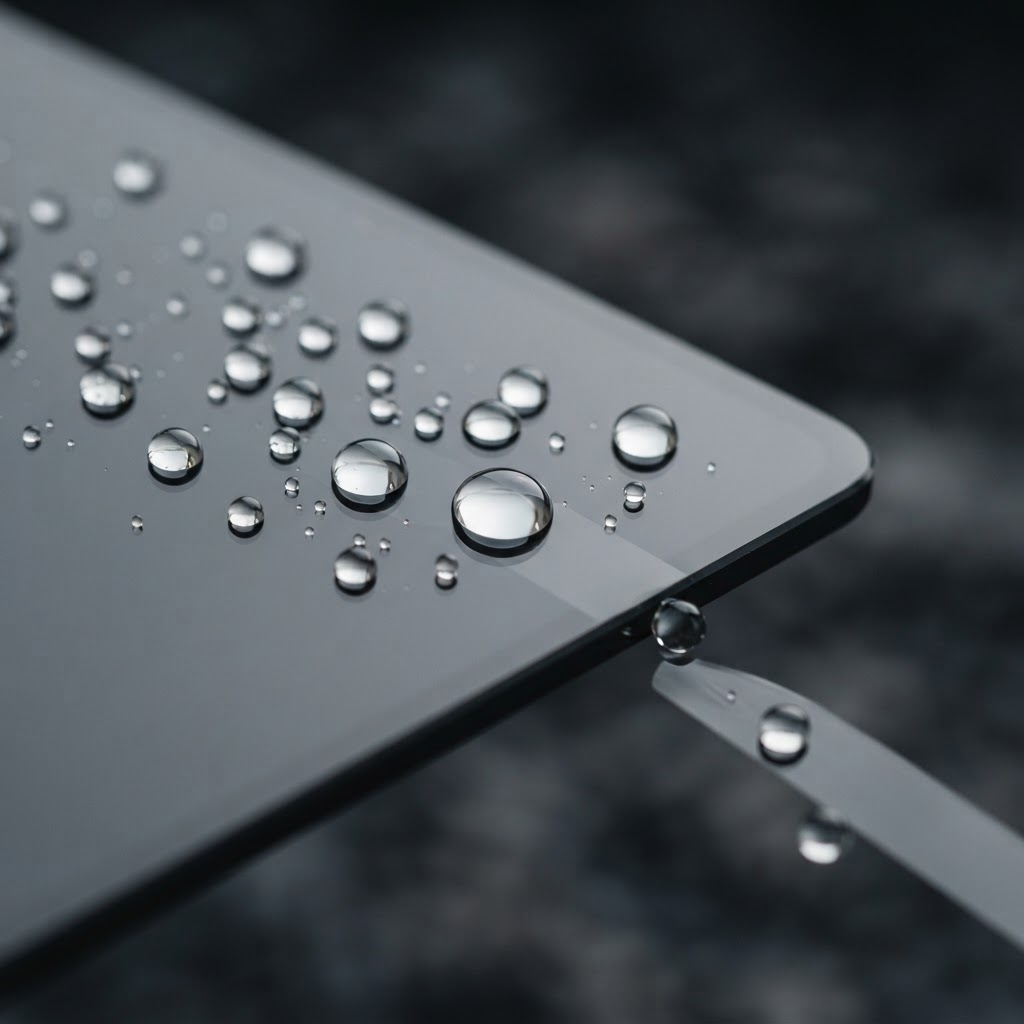
Reflection is everywhere.
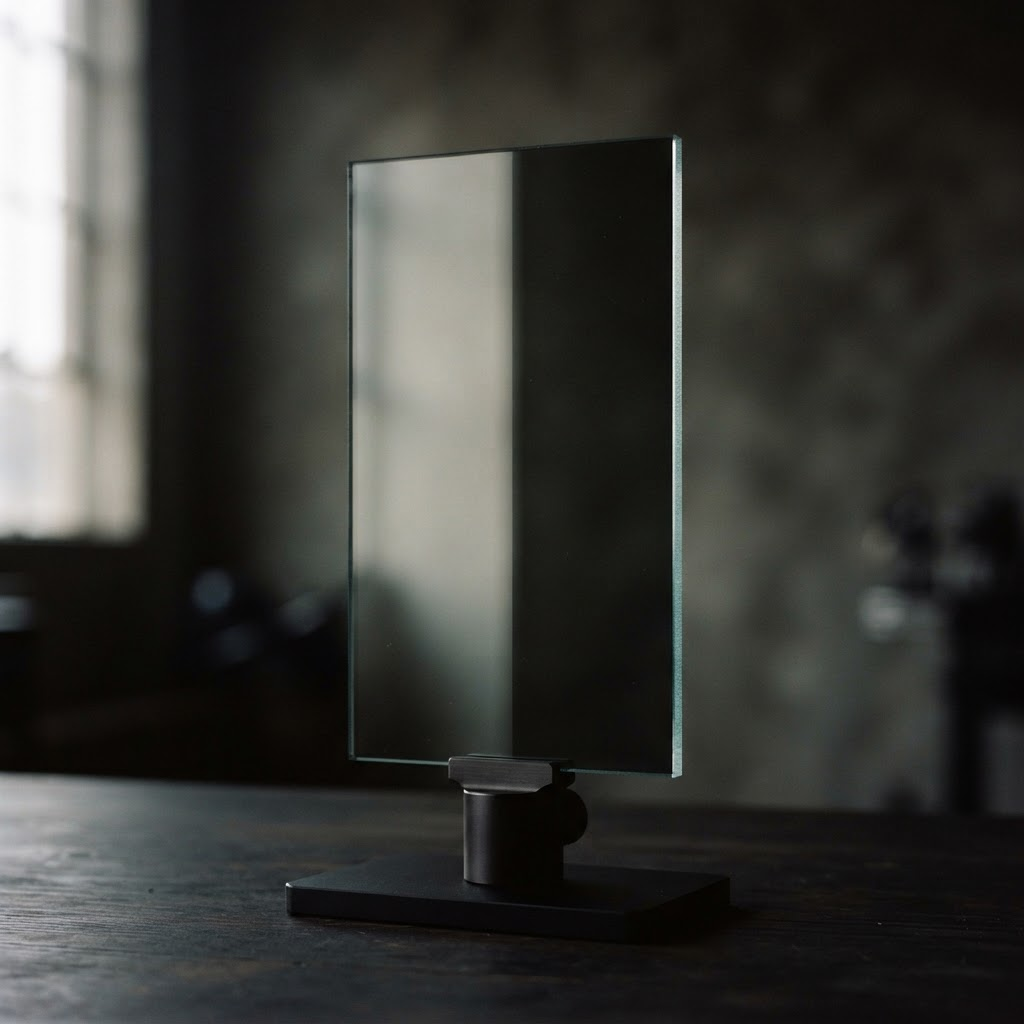
Glass reflects light.
Why does it matter?
- A display you cannot read in sunlight.
- Energy a solar panel was built to collect, turned away before it counts.
- A window that hands a room its own glare instead of the view outside.
- An image with less contrast than the lens was capable of.
- An instrument that cannot quite measure what it was built to measure.
So why has it always been treated as a cost to absorb, rather than a problem to solve?

Reflection has never been a mystery.
And yet, field by field, the answer has been the same: not to remove it, but to accommodate it — to optimise around it, budget for it, design within it.
The compromise became so familiar, and so widely shared, that it stopped looking like a compromise at all.
Which leaves a question worth returning to — not how to work around reflection, but whether less of it has to be there at all.
We have all been solving the same problem.
Every field that works with light has met reflection in its own way, under its own name.
- On a screen, we call it glare.
- In a solar cell, it is light we never capture.
- In a lens, it is a loss at every surface.
- On a facade, it is the sky where the room should be.
Each field met it alone, and assumed the problem was its own.
But the glare on a screen and the light a solar cell never captures are the same event — a little of the light turning back where it meets a surface.
One phenomenon, met a hundred separate ways. Perhaps it was never a hundred problems. Only one.

We don't begin with a product.
We begin with a question that won't leave us alone.
Why do we accept reflections as inevitable?
Why do we assume light has to behave this way?
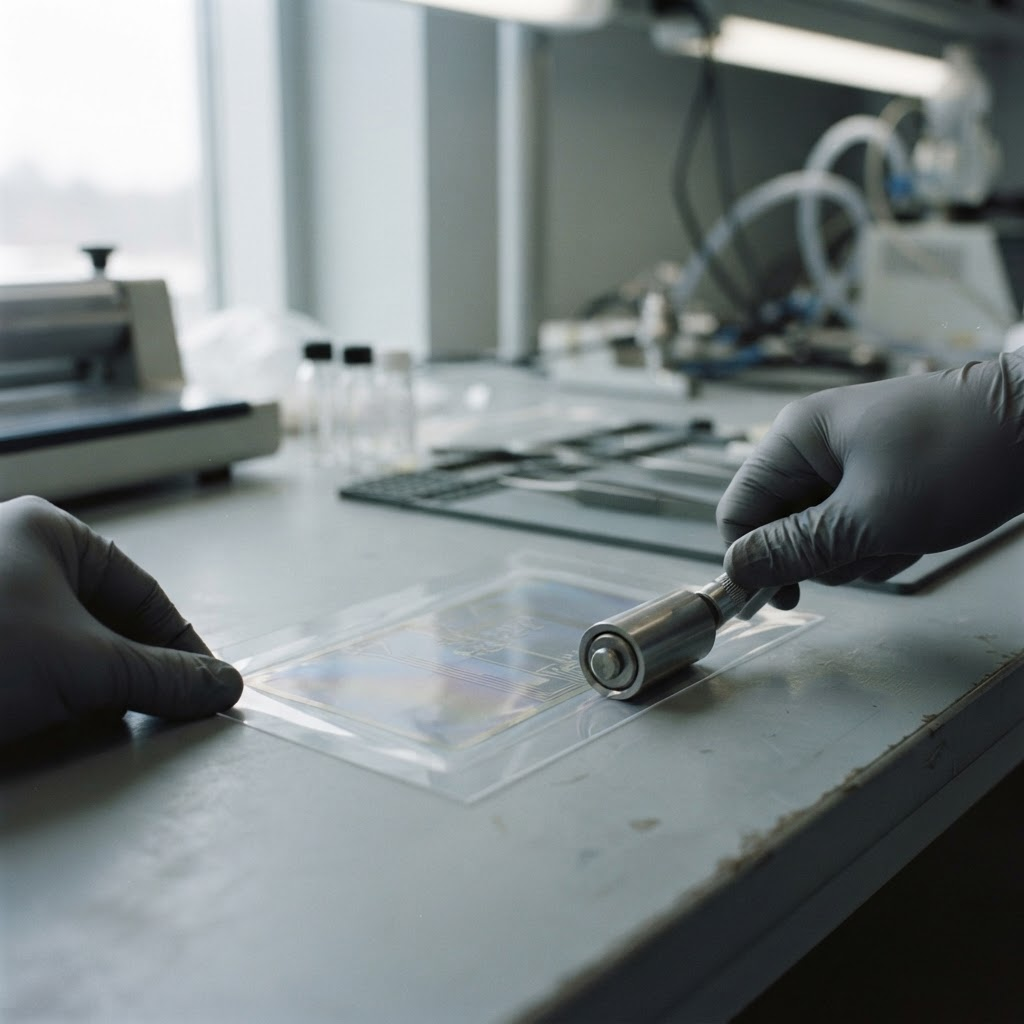
From there, the work becomes practical.
Test the surface.
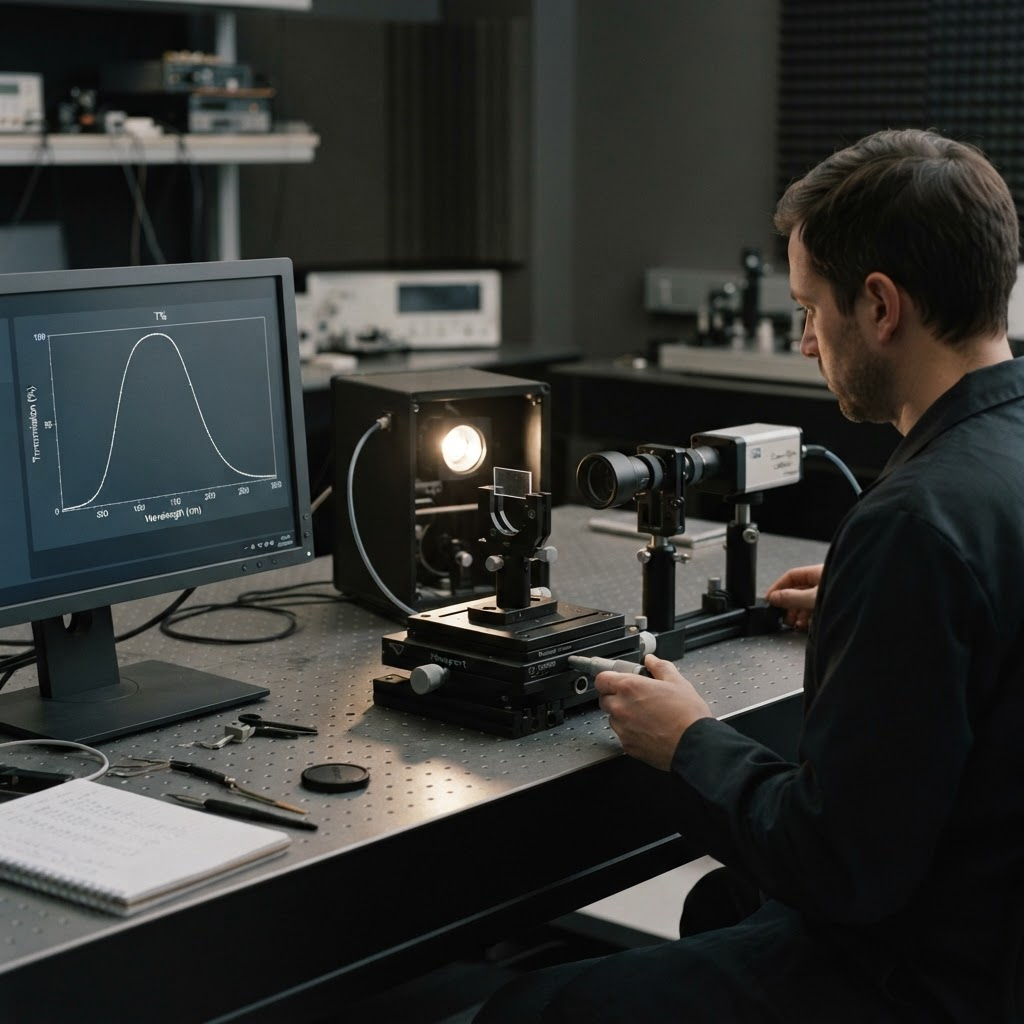
Measure the light.
Change one thing.
Test it again.
Sometimes the answer is no.
Sometimes it opens another question.
That's how research moves forward.
We're still at the beginning.