Optical Surface Technology
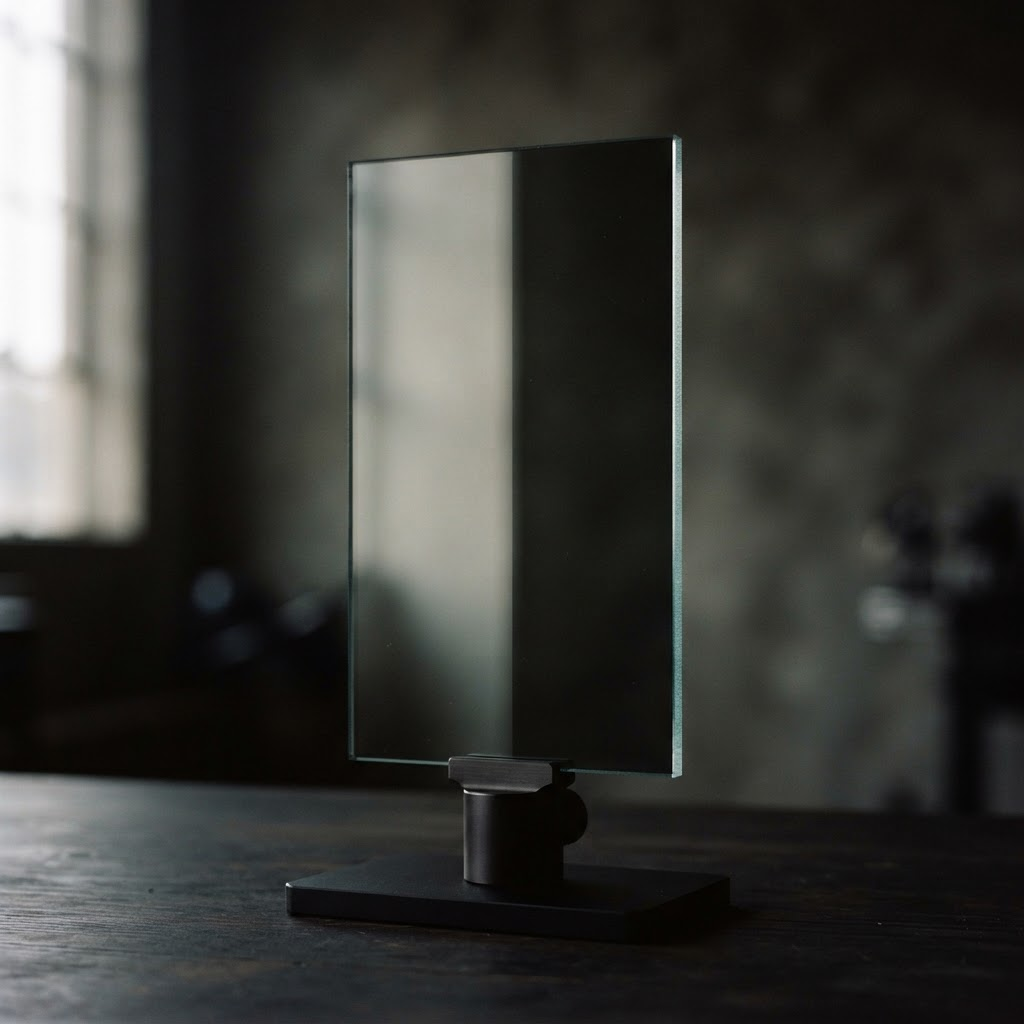
Reducing unwanted reflection at the interface between air and glass.
- Status
- Research and coating development
Technology
Polgaze develops technologies that modify the behaviour of material surfaces.
Our work begins at the interface between a material and its environment.
By understanding and engineering that interface, we aim to change how surfaces interact with light, energy and the world around them.
Research interests include advanced electronics, semiconductors and photonics, including ClearSlik™, alongside marine biofouling and hydrodynamic surface technologies, anti-fog and transparent optical surface protection, and advanced polymers and functional materials.
Each research programme follows its own path, progressing as the science and evidence allow.
Reducing unwanted reflection at the interface between air and glass.
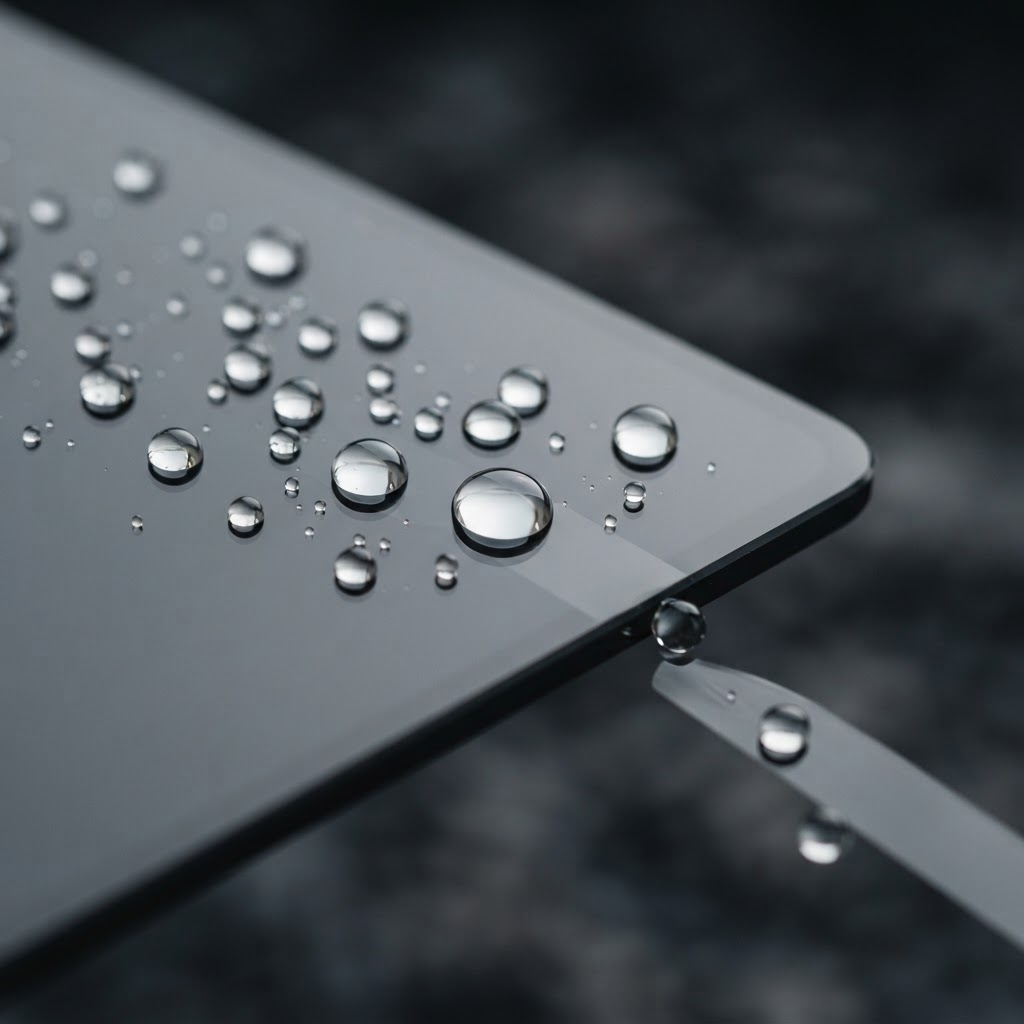
Reducing biological fouling through polymer material design rather than conventional toxic coatings.
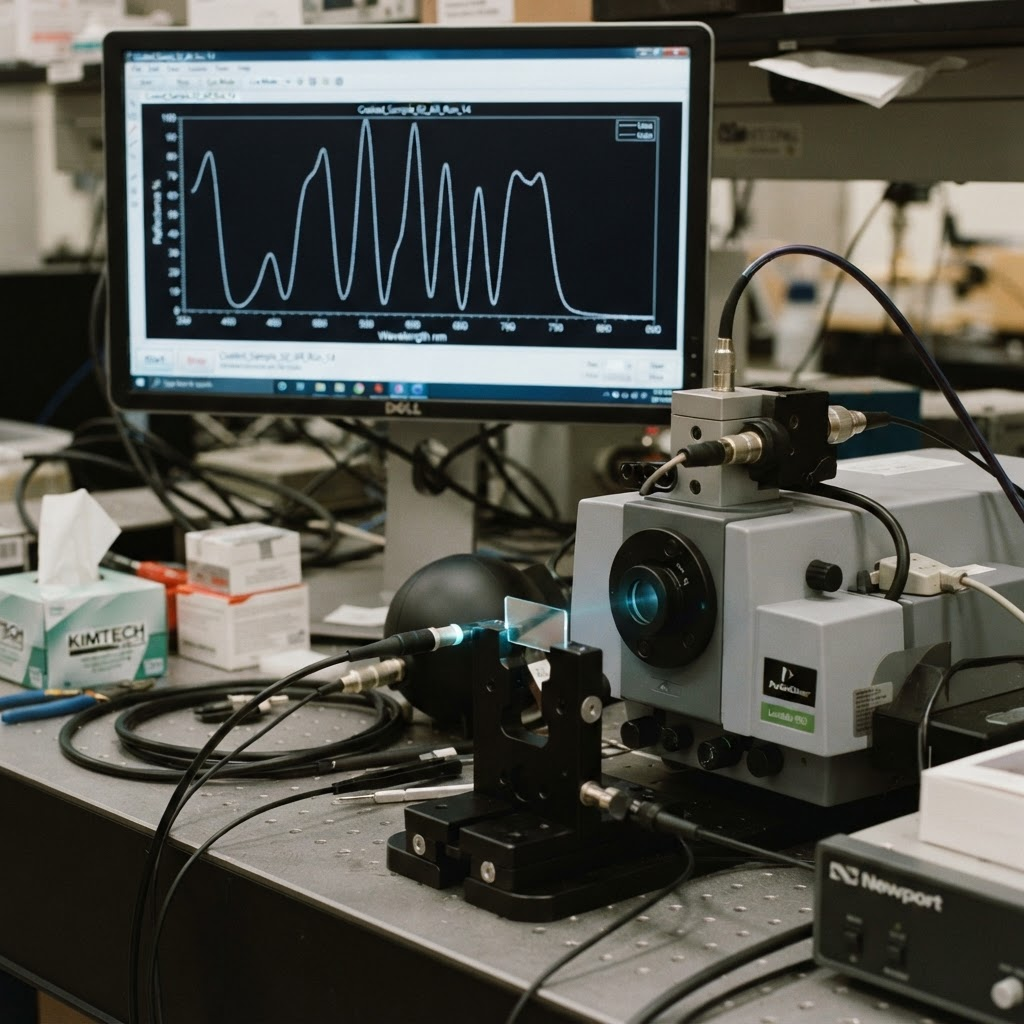
ClearSlik™ research into graded-index optical materials for fibre-to-chip interfaces and photonic integration.